
Category
AAC ( Communication) Strategies

Making it Work: AAC for the Minimally Verbal
Why should a minimally verbal individual use AAC when they have speech? Individuals with developmental disabilities such as autism and similar conditions…

Making it Work: Presuming competence in AAC
Presuming competence is an AAC mantra we all have heard of. In this blog, I want to talk about how we put…

Customisation in AAC: Making it Just Right for the Communicator
We want communicators to light up on seeing their AAC devices. We want them to be drawn to their device and be…
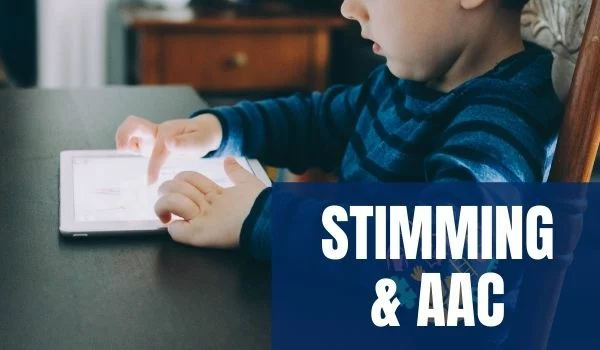
Understanding Stimming in AAC Learners
Stimming or self-stimulatory behaviour is any repetitive body movement with or without objects. Everyone stims! When just before an interview we see…
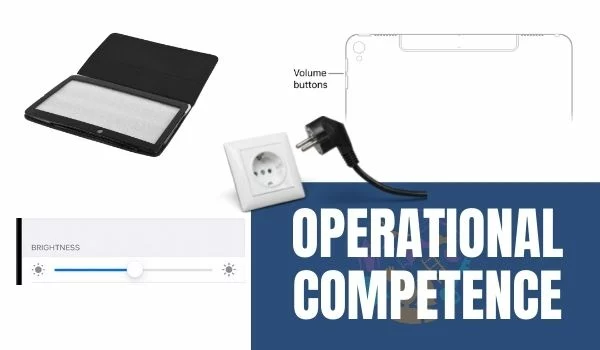
Operational Competence for High Tech AAC Users
If we want AAC users to achieve communicative competence, we need to focus on building the five component skill areas as proposed…

About Open Ended Questions for AAC Learners
What kind of questions to ask to maximize engagement with AAC learners? While close-ended questions are quite common, read this blog to…

Prompt Dependence: Why Fading is Important
Prompt is a cue or instruction that you give a user to help them learn a new skill. There are different types…
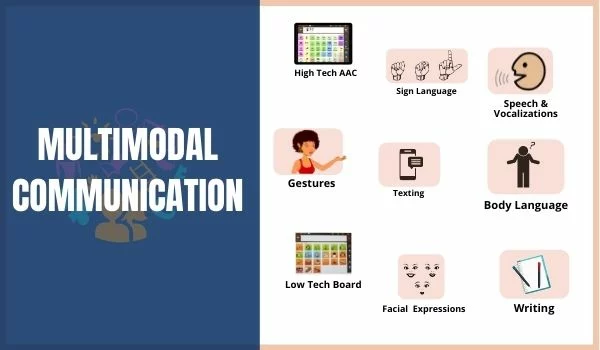
Encouraging Multimodal Communication in AAC Learners
Multimodal communication is a crucial component of social interactions that helps us to convey our ideas, thoughts, feelings, and opinions. We typically…

Extrinsic vs Intrinsic Motivation for AAC Learners
Food is widely regarded as a great motivator for emergent communicators. Not without good reason. Most of us wouldn't mind driving an…
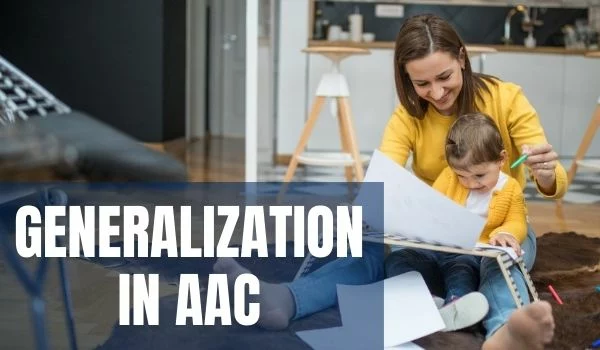
How to Encourage Generalization in AAC Learners
Generalization is when a communicator can apply a skill in different contexts and settings. According to Stokes & Baer, 1977, Generalization is…