
Tag
AAC Learning
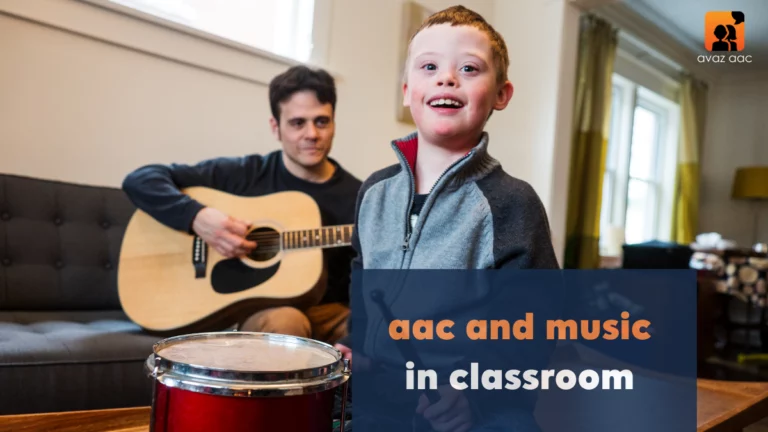
Music and AAC in Classroom
A familiar rhythm, a favorite song, or a playful pause in a melody can invite children to participate in ways that traditional…
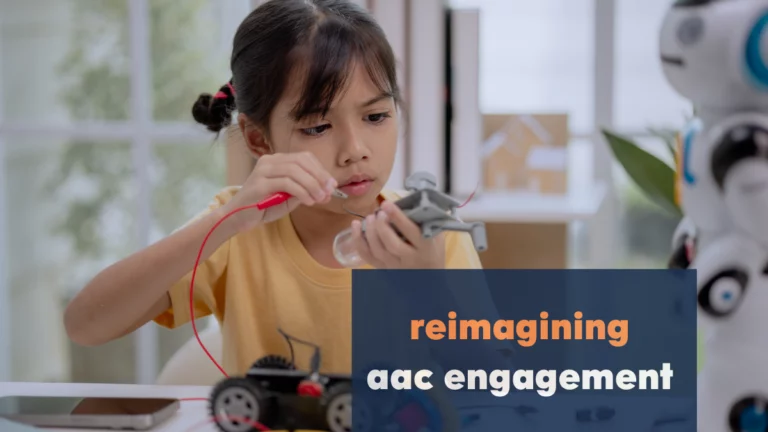
Rethinking AAC Engagement in Schools
AAC is often introduced in schools as a communication tool. A device that helps a child request, answer, or participate during structured…
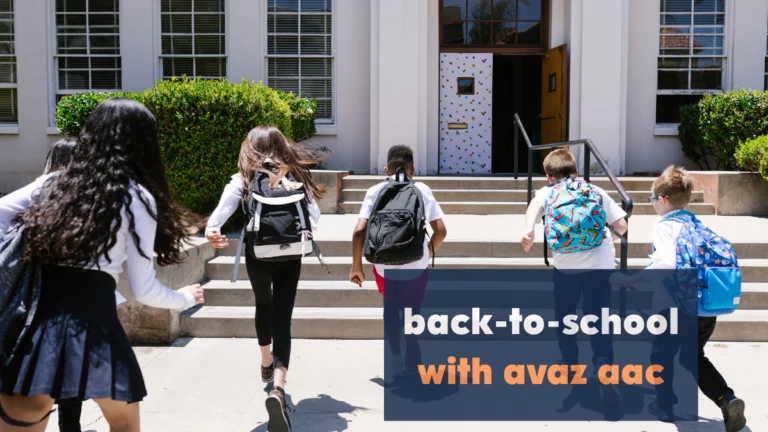
Back-to-School with AAC
Supporting Emotions & Self-Regulation with Avaz Back-to-school season is here! For many children, this means fresh notebooks, new teachers, and exciting routines.…

My Body, My Voice
Supporting Sensitive Conversations Through AAC For individuals who use AAC, some of the most personal topics - periods, privacy, and protection are…
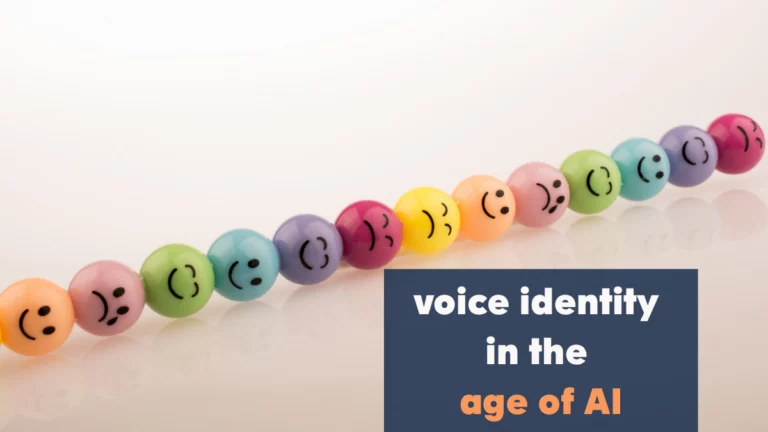
Does Your AAC Sound Like You?
When we think about communication, it’s not just about what we say, it’s how we say it. Our tone, humor, rhythm, and…
How Code-Switching Shapes AAC Use in Bilingual and Trilingual Children
When bilingual or trilingual children use Augmentative and Alternative Communication (AAC), they bring their unique blend of languages with them often in…
Why Bilingual AAC Needs More Than Just Translations
When building Augmentative and Alternative Communication (AAC) systems for bilingual users, the most common mistake is also the easiest one to make:…
What If Language Came in Chunks, Not Words?
Customizing AAC for Gestalt LanguageProcessors Imagine reading a screen full of words... but none of them feel quite right. Not because they’rewrong,…
Simultaneous vs. Sequential Bilingualism in Kids: What It Means for AAC
When creating AAC support for bilingual or multilingual children, understanding how they learn their languages matters a lot. Not all bilingual journeys…
How Vocabulary Layout Shapes Communication: A Peek Inside Avaz AAC
Have you ever had a word on the tip of your tongue—but you just couldn’t find it? That feeling of being stuck…