
Author
Kalaivani Narayanan
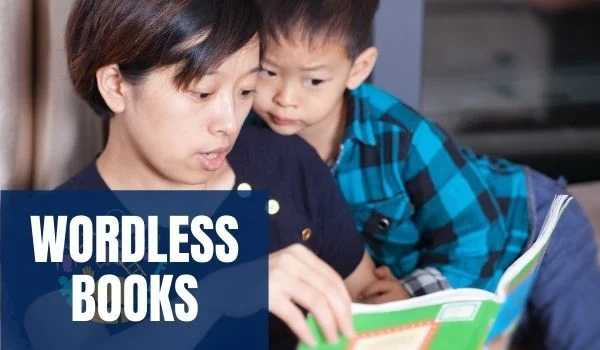
Using Wordless Picture Books in Language Intervention
Books with no words?….YES. These books are so versatile that they can be used with children of any age or disability. The…
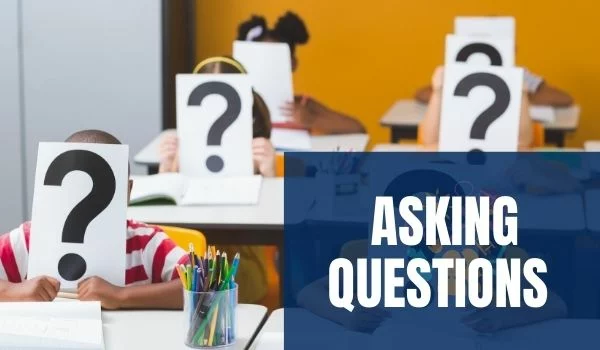
When AAC Learners Ask Questions
Do you think children enjoy answering questions or asking them? More often than not, it is the latter, right? This is because…
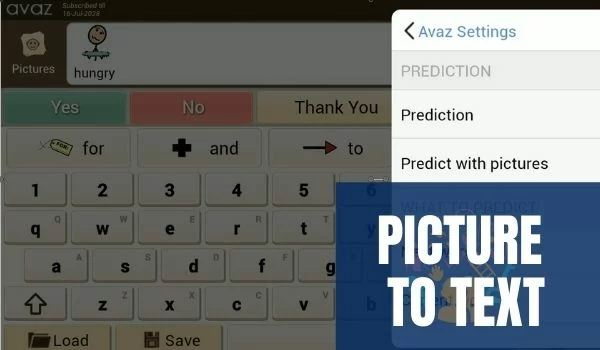
Supporting Transition from Picture to Text-based AAC
The beauty of a robust AAC system is that communicators who start out using pictures can go on to use text and…

Encouraging Communicators to Build Longer Sentences
Often when communicators are using only single words, there is a certain amount of frustration involved at the inability to go beyond…

Prompt Dependence: Why Fading is Important
Prompt is a cue or instruction that you give a user to help them learn a new skill. There are different types…
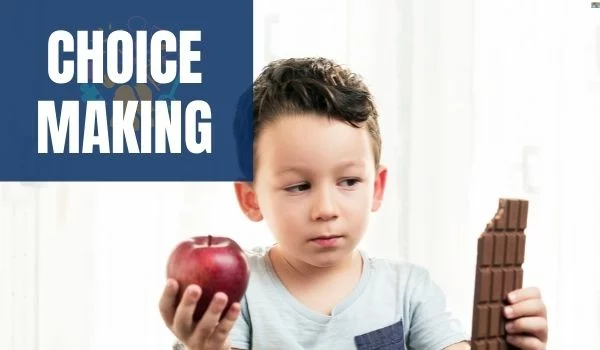
Building Choice Making in AAC Learners
Open-ended questions are important to encourage self-determination skills while binary choices may be used to encourage choice making in beginning communicators. Let’s…

Using AAC at Home: Simple Ideas for Families
When AAC is fully integrated into everyday activities, learning AAC can become easier for the communicator. Especially, when everyone in the AAC…
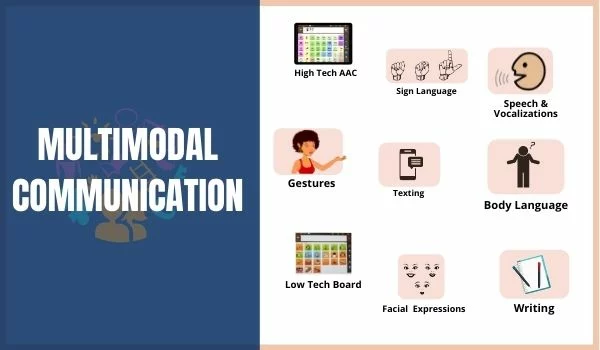
Encouraging Multimodal Communication in AAC Learners
Multimodal communication is a crucial component of social interactions that helps us to convey our ideas, thoughts, feelings, and opinions. We typically…

Fun Activities for Teaching Negation
Saying 'No' is an important skill for emergent communicators to learn. The ability to refuse/ reject builds choice-making and paves the way…
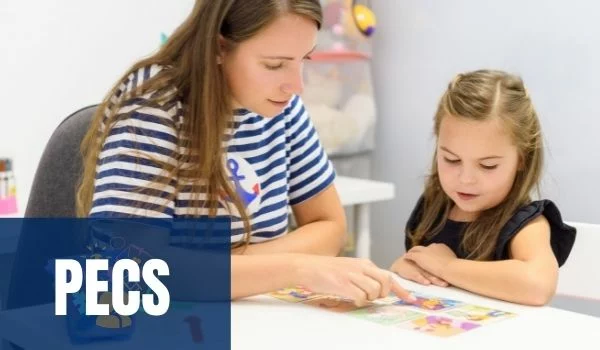
Picture Exchange Communication System (PECS)
Picture Exchange Communication System (PECS) is a type of AAC (Augmentative and Alternative Communication) system that enables individuals to communicate using visual symbols.…